Major John Shaver’s House Became a Community Landmark
Mount Union’s Stone House stood through the canal, railroad and refractory eras before becoming the Memorial Home of Simpson–Hunt American Legion Post 107. Newspaper accounts, an architectural survey, family records and a Pennsylvania militia index now allow the building’s history to be told as one connected story.
The Stone House Through Two Eras
Historic photographs preserve the building before its American Legion chapter and during its later service as the home of Simpson–Hunt Post 107. The exact date of each photograph has not yet been established.
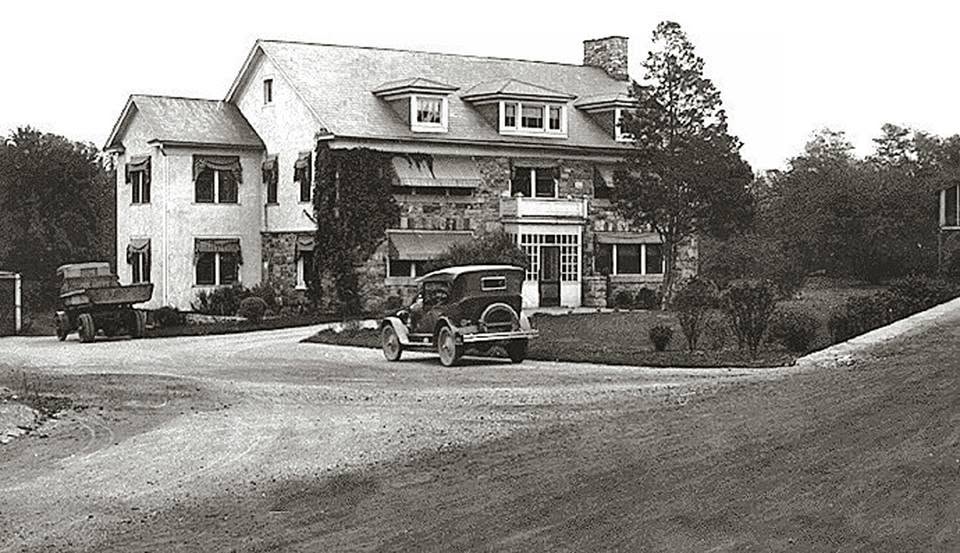
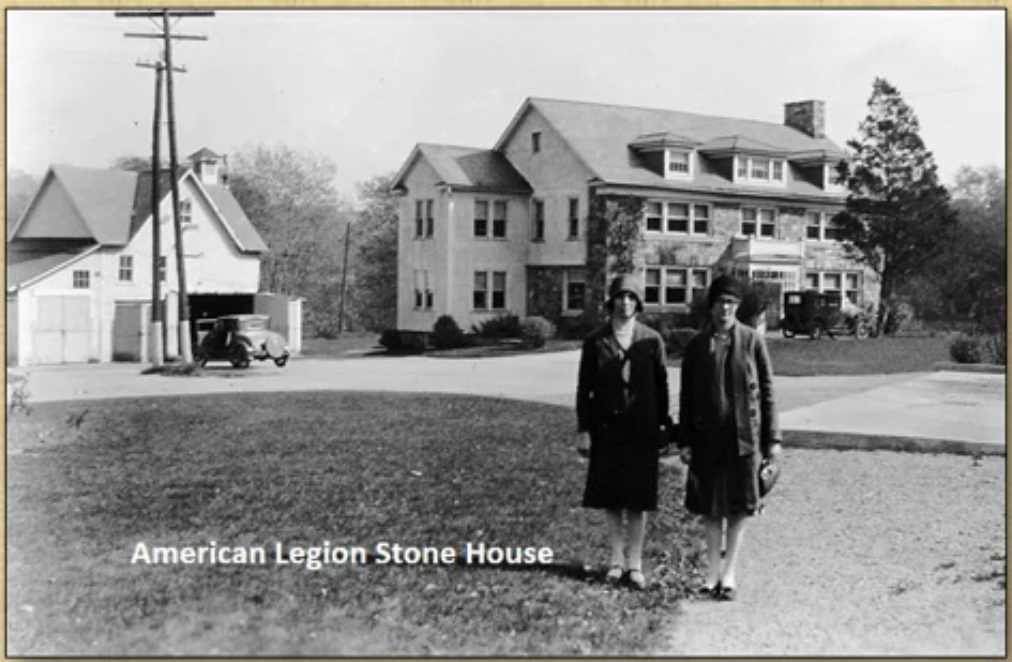
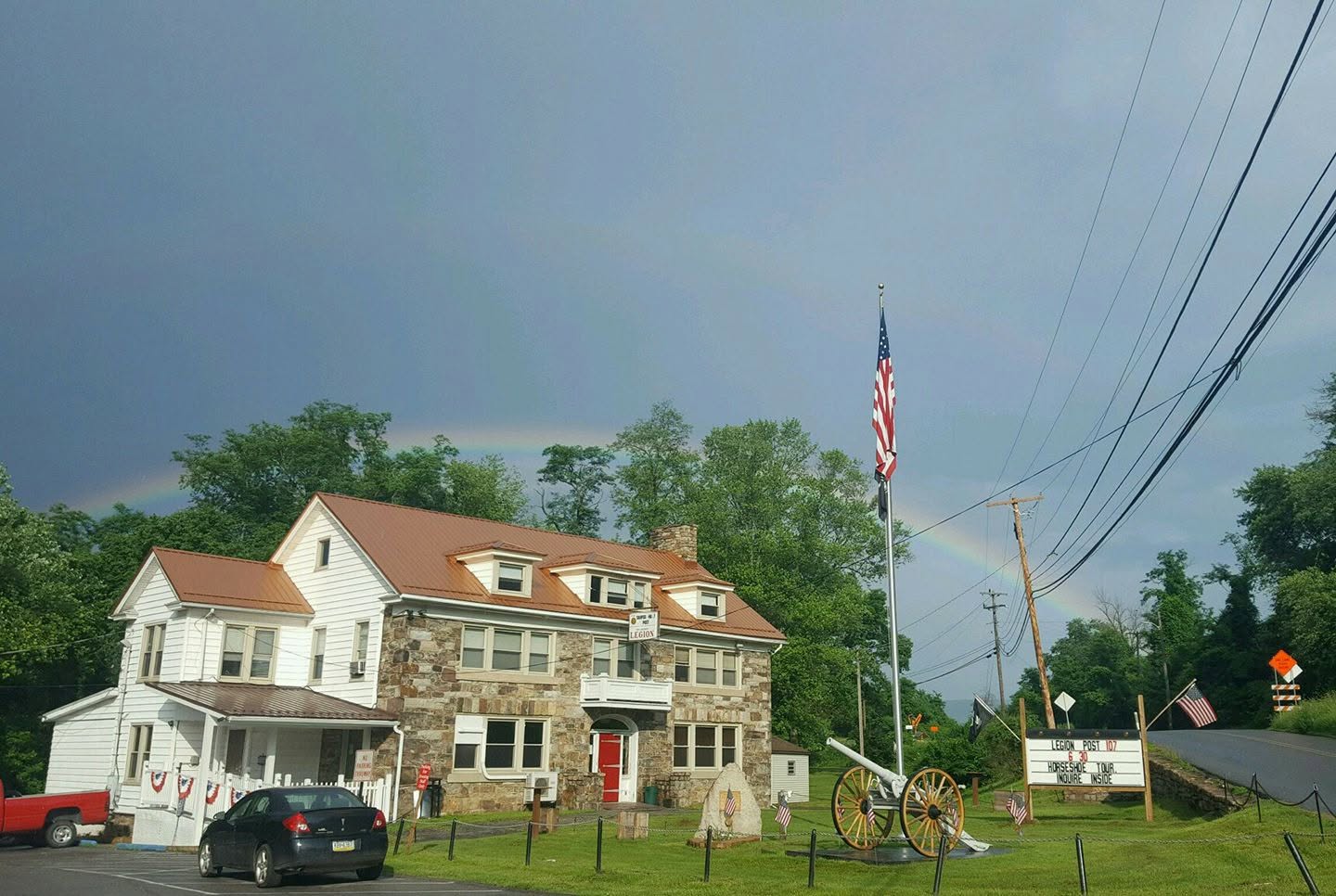
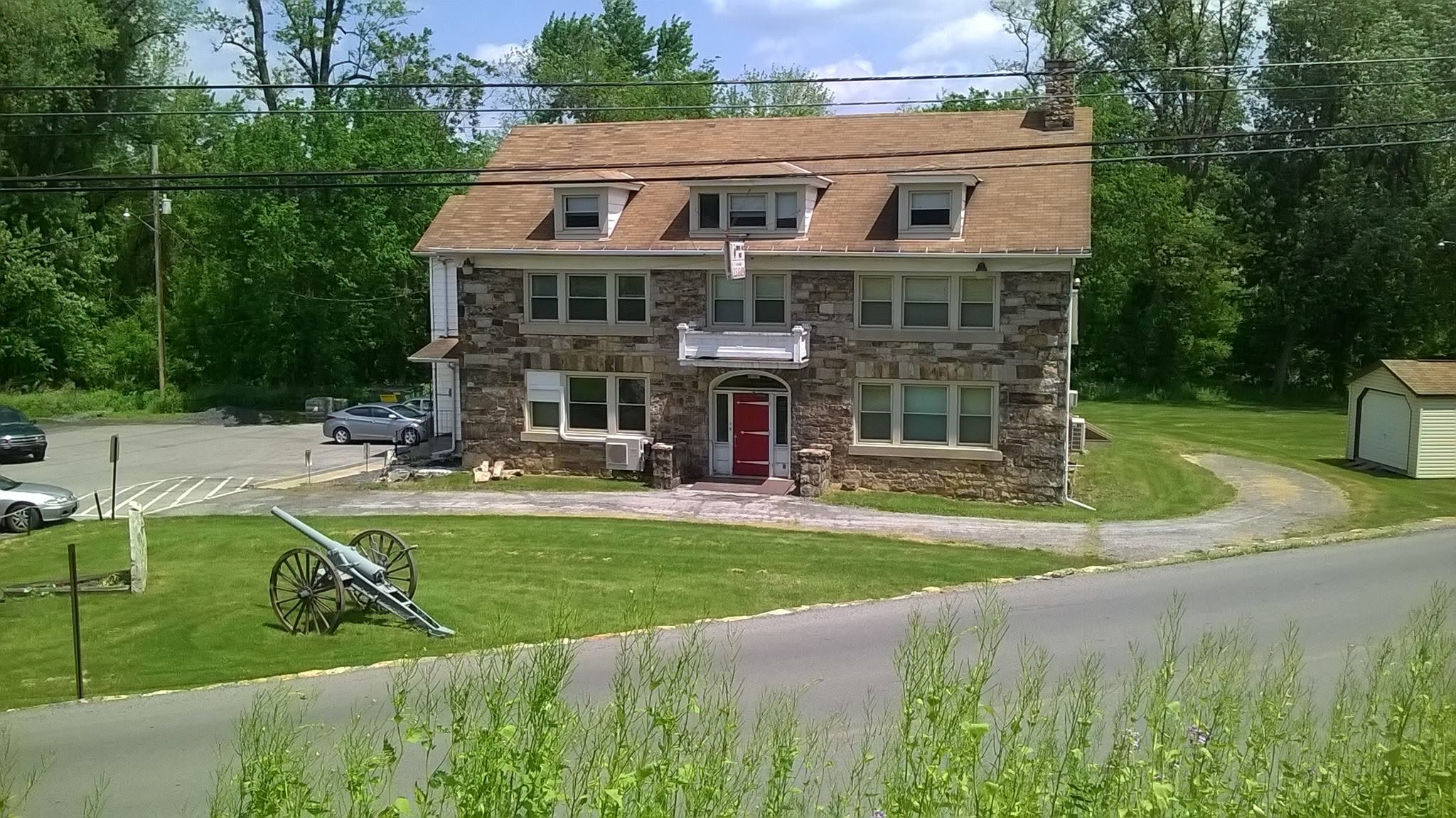
The identification is now well supported
The Stone House occupied by American Legion Post 107 was the large stone residence associated with Major John C. Shaver and later with the family of Dr. William T. Sheaffer. It was not merely a building near the Shaver Cemetery: the sources trace the same East Pennsylvania Avenue property from the Shaver and Sheaffer families through the refractory companies to the Legion.
A House Older Than the Borough
Major John C. Shaver
A Pennsylvania “Associators and Militia” index card lists “Shaver, John—Major” and points to Militia Book volume 2, page 674. Local accounts identify the Stone House builder as Captain, later Major, John C. Shaver (1762–1829). Charles Howard Welch’s 1909 history says Shaver came from Aughwick Valley about 1795; the 1922 Stone House retrospective places his arrival about 1790.
Beside the Canal Corridor
Shaver reportedly purchased the land from William Morris and built the house about 1818, before Mount Union was formally laid out. Historian George Drobnock reports that a dot marks the house on an 1828 Pennsylvania Canal survey. Its position beside the canal corridor placed it near the transportation route that transformed the early settlement.
From Family Home to Industrial Office
The house remained connected to Shaver’s descendants. Narcissa Shaver, a granddaughter of Major Shaver, married Mount Union dentist and contractor Dr. William T. Sheaffer. Their daughter Narcissa Sheaffer Rice was later remembered as having grown up in the large stone building on East Pennsylvania Avenue.
In a section titled “The Shaver Kindred,” Charles Howard Welch called Captain John Shaver the progenitor of the Shaver family in and around Mount Union and one of the area’s original landholders. Welch wrote that Shaver purchased land from William Morris and described a holding extending from Division Street toward the river and Hill Valley. The account also traces Shaver’s children and descendants, documenting the family’s continuing local presence.
The Mount Union Times printed a copy of Shaver’s will preserved by his granddaughter, Mrs. W. T. Bell. Dated October 16, 1829, the document identifies him as John Shaver of Shirley Township, Huntingdon County; names his wife Mary and children Samuel, Peter, John, Catherine, Ann Morrison, George, Henry, Nicholas and William; and describes extensive property associated with a mill race, Chestnut Ridge, Shirley Township and Stone Creek. The continuation protects the sawmill’s water rights and appoints Mary with sons John, Henry and William as executors. The will confirms both the family relationships and the scale of Shaver’s landholdings, but it does not identify the 1818 residence by the later name “Stone House.”
An article titled “Old Stone House Being Remodeled” reported that the former home of Dr. W. T. Sheaffer had been purchased by United States Refractories Corporation. The Mount Union Building Company was remodeling it for office use while preserving its original architectural features. The article called it the oldest house in the vicinity and named Major John Shaver as its 1818 builder.
United States Refractories later became part of the corporate history remembered locally through North American Refractories. A later obituary for Narcissa Sheaffer Rice supplied the clearest ownership summary: her East Pennsylvania Avenue family home was purchased by North American Refractories for offices and afterward became the American Legion Memorial Home.
Simpson–Hunt Post 107
A Memorial Post
A 1997 post history reported that Simpson–Hunt Post 107 received its American Legion charter in 1920. It was named for Roy E. Simpson and James Hunt, identified in the account as the first Mount Union men killed in World War I.
Meetings at the Stone House
The exact transfer date from North American Refractories to the Legion has not yet been located. The newspaper record establishes occupancy no later than January 12, 1954, when the Auxiliary held a regular meeting “at the Stone House.” A 1957 report placed another Auxiliary meeting at the Stone House on East Pennsylvania Avenue.
The Cemetery Behind the House
The small Shaver Cemetery lies immediately behind the former Legion property. Recorded burials include Samuel Shaver and Jane Hanawalt Shaver, along with members of the Chilcote, Myers and Walker families. Major John C. Shaver himself is buried in Mount Union Cemetery, not in the small family plot behind the house.
A preservation link
On May 24, 1995, The Daily News reported that Simpson–Hunt Legionnaires were restoring the cemetery lot adjacent to the Stone House. The project connects the post’s stewardship directly with the Shaver family landscape.
Fire, Survival and the Future
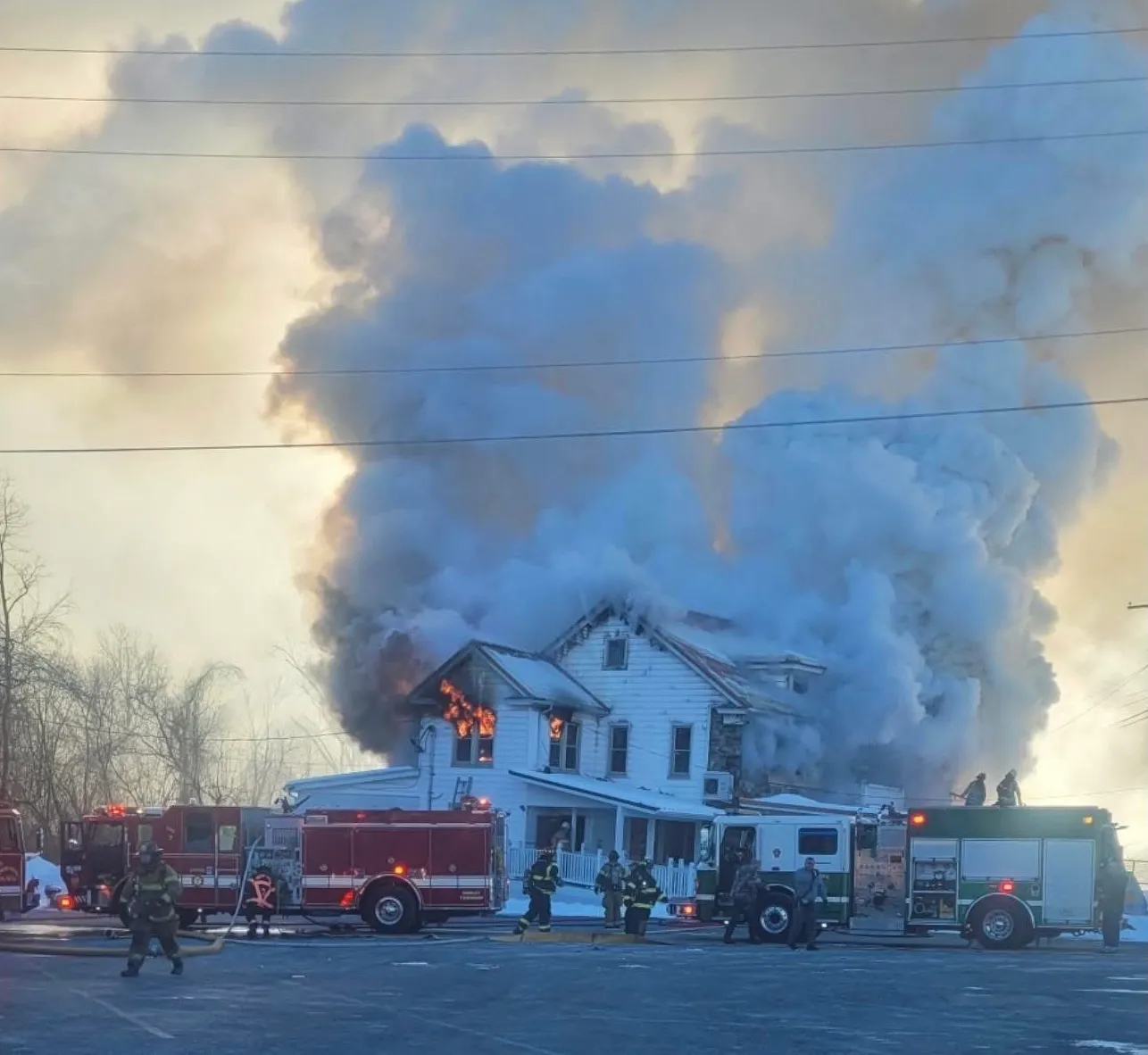
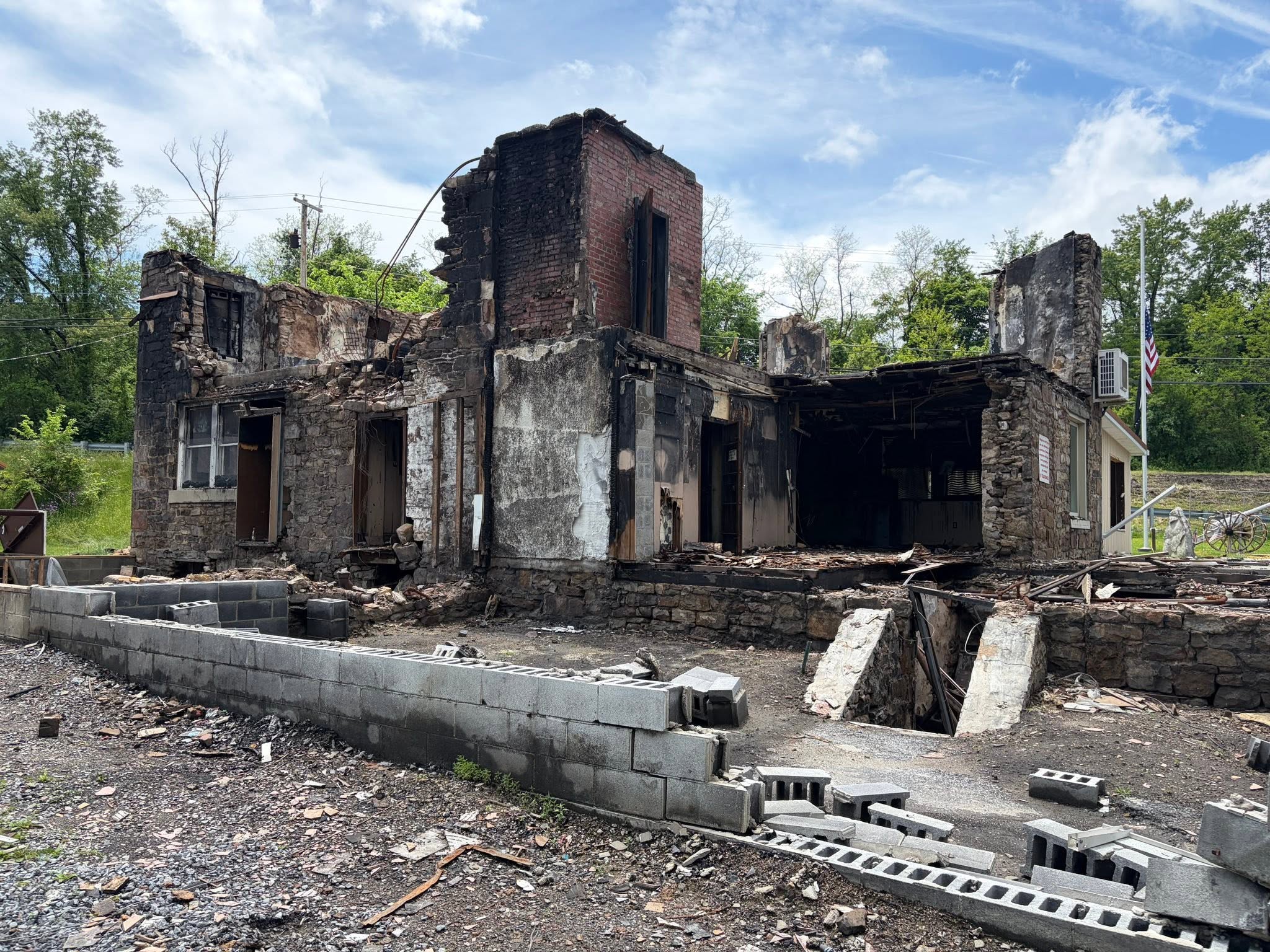
A devastating fire struck the Post 107 building in January 2026. The Legion subsequently moved operations to the American Legion Country Club. In a February 3, 2026 report, Mount Union historian George Drobnock emphasized the building’s importance through the canal, railroad and refractory eras and argued that reconstruction could remain possible if the four stone walls were sound.
Ownership and Use Timeline
John Shaver arrives in the Mount Union area from Aughwick Valley. The 1922 retrospective says about 1790; Welch’s 1909 account says about 1795.
Shaver builds the stone residence on land reportedly purchased from William Morris.
A structure at the location reportedly appears on a Pennsylvania Canal survey.
The house passes through Shaver family connections and becomes the home of Dr. W. T. Sheaffer and his family.
United States Refractories purchases the property and remodels the house as offices while preserving its historic architecture.
Simpson–Hunt Post 107 and its Auxiliary are using the building as the Stone House and American Legion Memorial Home.
Legion members restore the adjoining Shaver Cemetery lot.
Fire severely damages the historic building; the Legion later shifts operations to the country club.
Continue Exploring
Meet Major John C. Shaver, browse the Landmarks Directory, follow Mount Union’s canal and railroad story, or explore the refractory industry.
Sources and Research Notes
- “The Last Will and Testament of Major John Shaver, One of Mount Union’s Pioneers,” Mount Union Times, March 19, 1920, p. 1, continued on p. 4. Reproduces Shaver’s will dated October 16, 1829, from a copy preserved by his granddaughter Mrs. W. T. Bell.
- Charles Howard Welch, “Mount Union: The Original Settlers—The Shaver Clan,” Mount Union Times, October 22, 1909, p. 1. Includes the section “The Shaver Kindred,” identifying Shaver as an original landholder, purchaser of William Morris land and progenitor of the local Shaver family.
- “Old Stone House Being Remodeled,” The Daily News, July 14, 1922. Identifies the builder, construction year, Sheaffer occupancy, United States Refractories purchase and office conversion.
- Frederick L. Richards, “Mount Union Historic District,” National Register of Historic Places nomination, 1994. Identifies the John Shaver House as a large Federal-period stone building dating to 1818.
- “Shaver, John—Major,” Associators and Militia index card, vol. 2, p. 674; reproduced in Ancestry.com, Pennsylvania, U.S., Revolutionary War Battalions and Militia Index, 1775–1783 (2012).
- Narcissa Sheaffer Rice obituary, The Daily News; family and property history research copy. Identifies the East Pennsylvania Avenue stone building as the Sheaffer home, later refractory offices and then the American Legion Memorial Home.
- “Simpson-Hunt Auxiliary Meets,” The Daily News, January 12, 1954; documents a meeting at the Stone House.
- “Simpson-Hunt Auxiliary Meets,” The Daily News, April 12, 1957; places the Stone House on East Pennsylvania Avenue.
- “Legionnaires restore lot at Stone House,” The Daily News, May 24, 1995; documents restoration of the adjacent cemetery.
- “Rep. Sather is Simpson-Hunt speaker,” The Daily News, November 12, 1997; summarizes the post’s 1920 charter and namesakes.
- Byron Mantoan, “Legion moves operations to country club,” The Daily News, February 3, 2026; quotes historian George Drobnock on the building, canal survey, possible Civil War association and reconstruction.
- WTAJ, “Mount Union American Legion efforts to rebuild continue after devastating fire,” 2026.