From a stairway up a mountain to a summer camp that changed lives, Mount Union's landmarks tell the town's story as clearly as any history book.
The Three Crosses of Mapleton
After surviving cancer, Jack Wise raised the first cross on the rocky overlook above Mapleton in 1983 as an expression of faith and thanks. Family and friends helped add more and continue to maintain the landmark.
The Thousand Steps
Two miles west of town in Jacks Narrows, this hand-built stone stairway is now a beloved (and challenging) hiking destination — and a direct link to the quarrymen who built it.
PA Lions Beacon Lodge Camp
Founded by Carl Shoemaker for visually impaired campers, Beacon Lodge marked its 75th anniversary in 2023 and has grown to serve people with a wide range of disabilities — with many former campers returning as volunteers and staff.
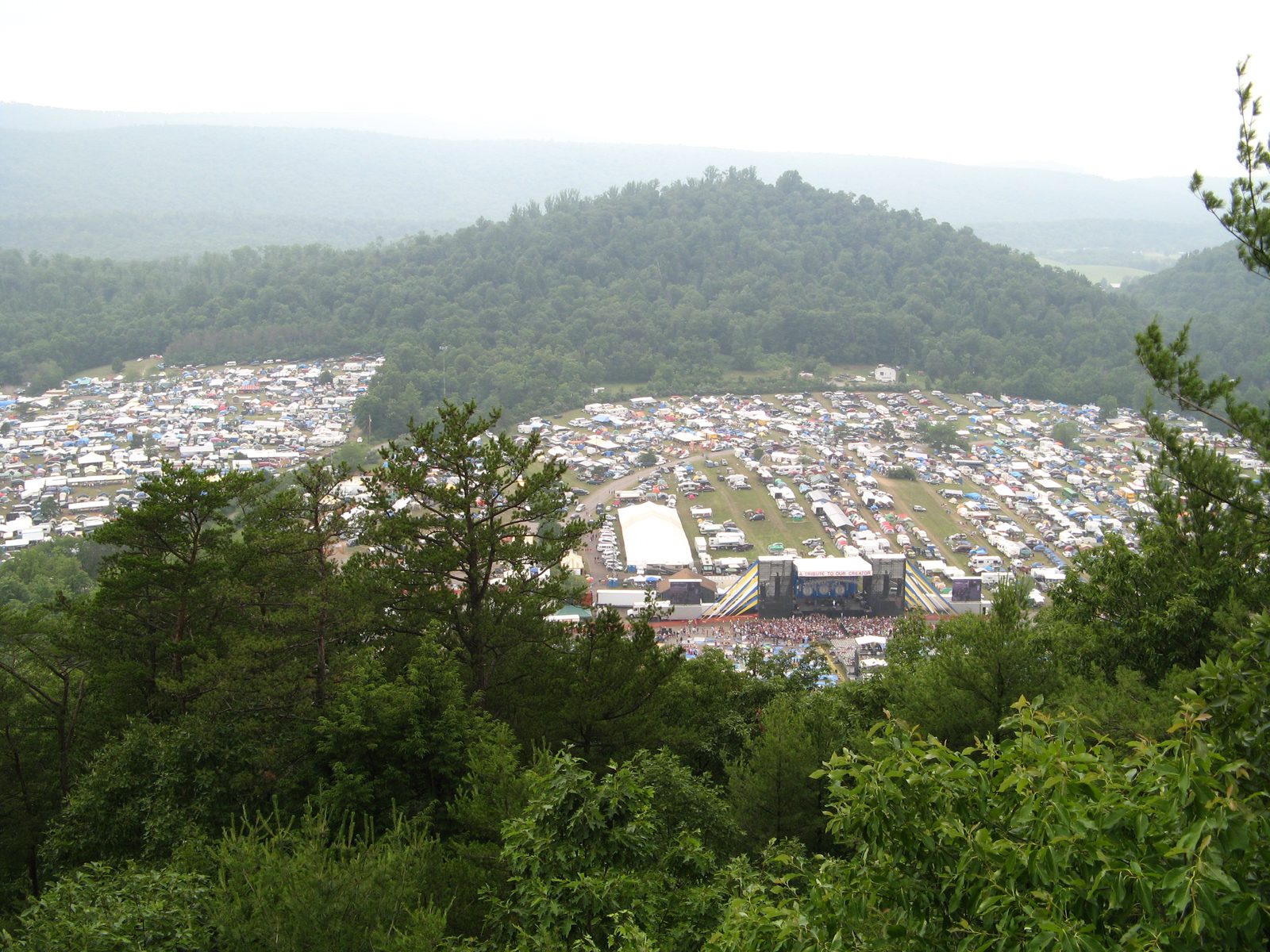
Creation Festival
For nearly four decades, tens of thousands of visitors came to the Mount Union area each summer for one of the country's largest Christian music festivals. The final gathering was held in 2022, and organizers announced the event's end in 2023.
Mount Union Cemetery & Victoria Park
Two quieter landmarks woven into the historic district. The cemetery was established in 1872 by the Independent Order of Odd Fellows in a grid layout; Victoria Park (1920), at Washington and Davis Streets, was the ball field home to the Harbison-Walker company baseball team (Mount Union Historic District, NRHP nomination, 1994).
Keeping History Alive
The Mount Union Area Historical Society, the Community Library, the Ministerium, and the Mount Union Area Partnership all work to preserve and celebrate the town's story — natural partners for this project.
Creation Festival, From the Mountainside
Inside the Mount Union Historic District
The National Register district covers over two-thirds of the borough — bounded by Jacks Mountain to the west, the Juniata River to the north, Chestnut Ridge to the east, and Hill Valley to the south. Of 645 properties surveyed, 576 (89.3%) are counted as contributing to its historic character. This section draws on the district's 1994 National Register nomination, prepared by Frederick L. Richards.
The Canal Era
The Pennsylvania Main Line Canal catalyzed the town's first real growth, centered on Water Street — called “Main Street” during the canal period. Lola Eberman Fields later remembered a wooden bridge carrying Water Street across the canal near John Rummel’s mill.
The Railroad Era
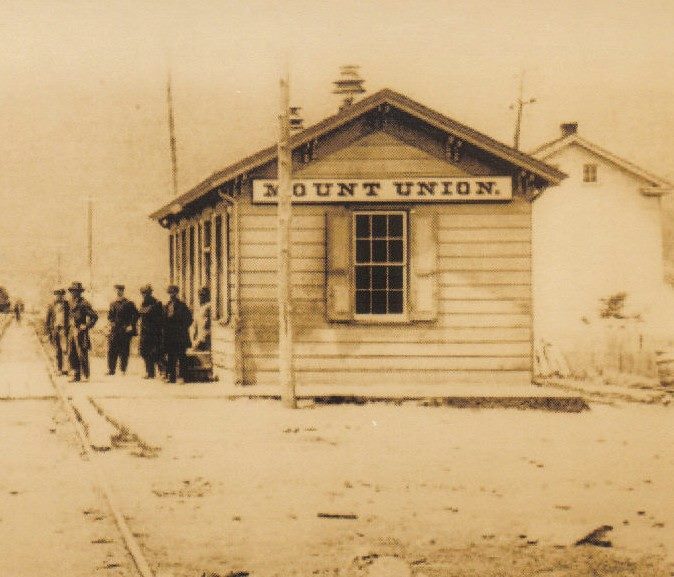
The Pennsylvania Railroad and, from 1873, the East Broad Top Railroad sustained the town's growth as a regional rail transfer point for iron and coal.
The Refractories Era
Three silica brick plants made Mount Union what the nomination calls “the silica brick capital” — see Bricktown USA for the full industrial story.
Notable Buildings, By Type
A sampling of the district's most distinctive structures, with the styles and dates the nomination assigns them.
The Stone House — John Shaver House
A large Federal-period stone house built for Major John C. Shaver, later used as refractory company offices and the Memorial Home of Simpson–Hunt American Legion Post 107.
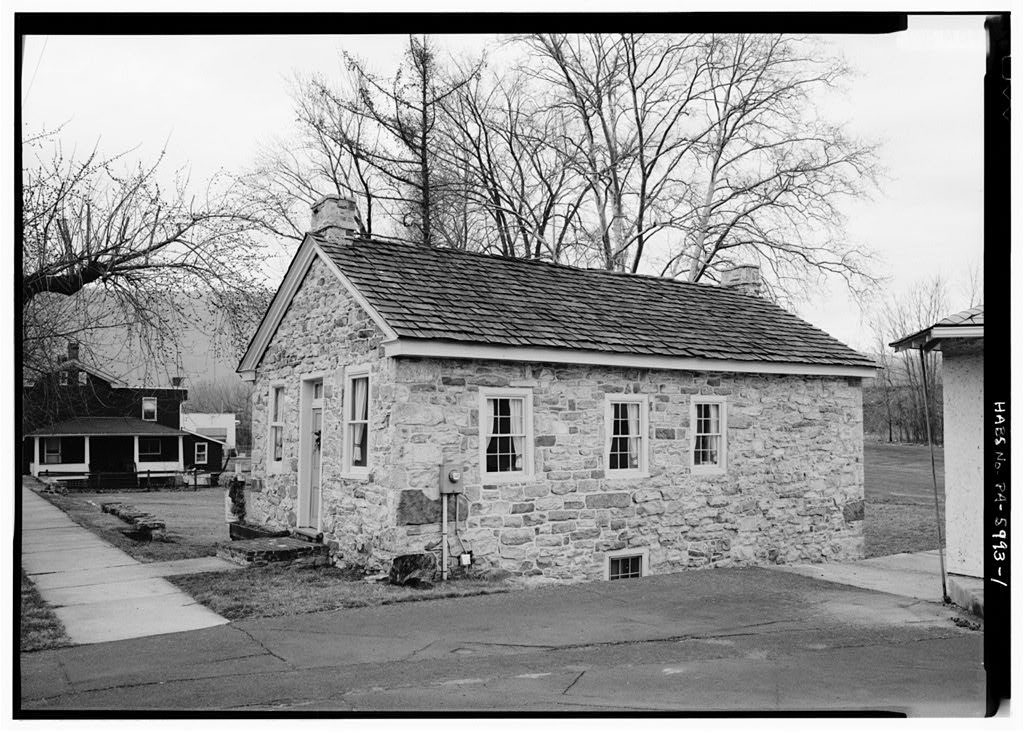
John Sharrar House, Water St.
A stone, gable-front canal-era building that served as both store and dwelling — the oldest surviving commercial structure in town. Fields called it the first house in “Mount Union proper” and associated it with the birth of Dr. W. F. Sharrar, whom she described as the town’s first child. A separate Pollock family account identifies Andrew Belle Pollock, born January 17, 1835, as the first or one of the first children born here; the different claims remain unresolved.
Welch Building
A yellow-brick, three-story building at Jefferson St. and Pennsylvania Ave. with storefronts and apartments.
St. Luke (Evangelical Lutheran)
A Gothic chapel with a Norman tower, at the southwest corner of Jefferson and Market Streets.
Presbyterian Church
A yellow-brick Romanesque design by architect J.L. Fulton of Uniontown, replacing the 1866-67 wood-frame meeting house.
St. Catherine of Siena
A basilica-plan Catholic church with Gothic detailing at Market and Washington Streets, built to serve Harbison-Walker's workforce.
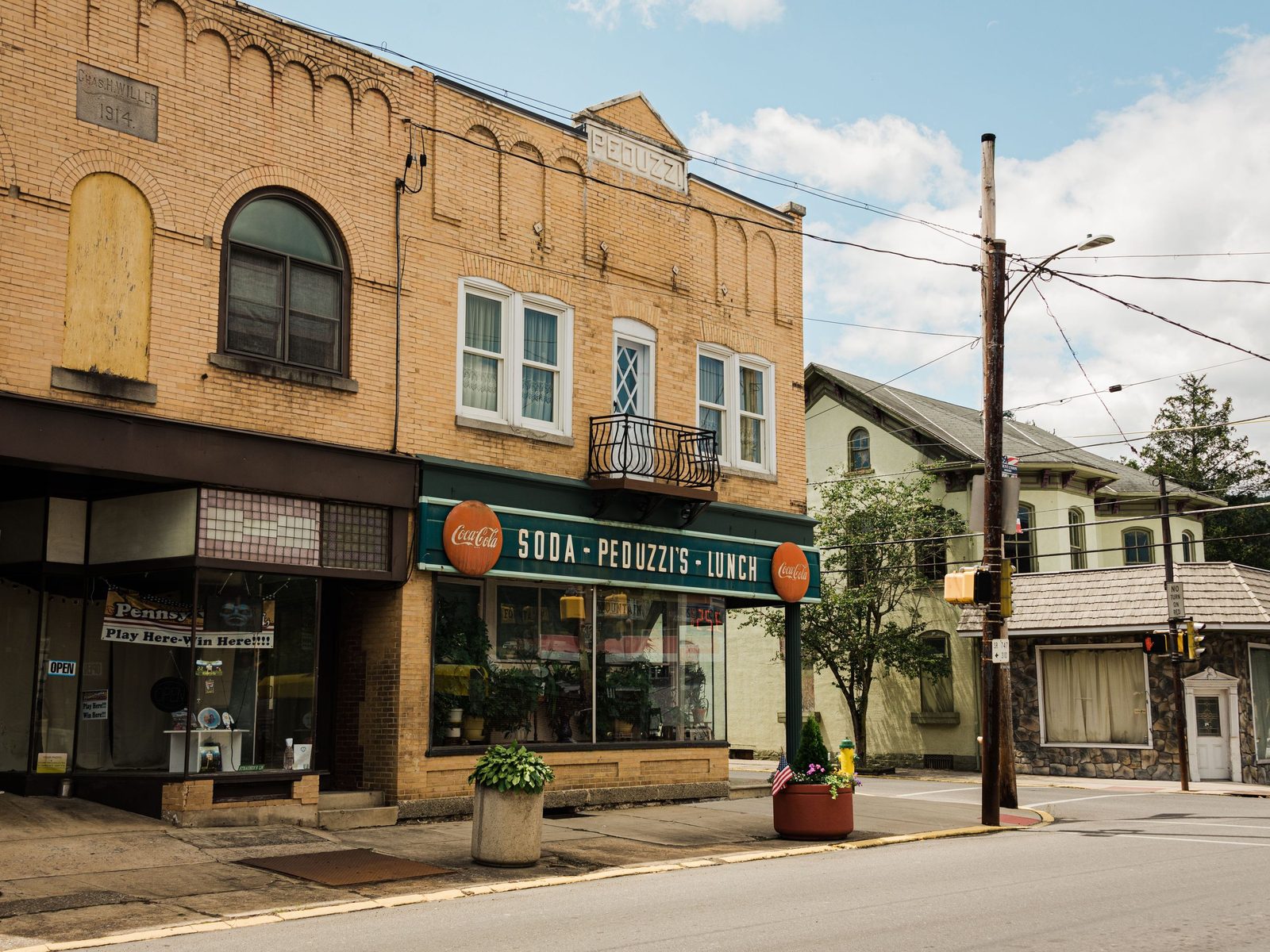
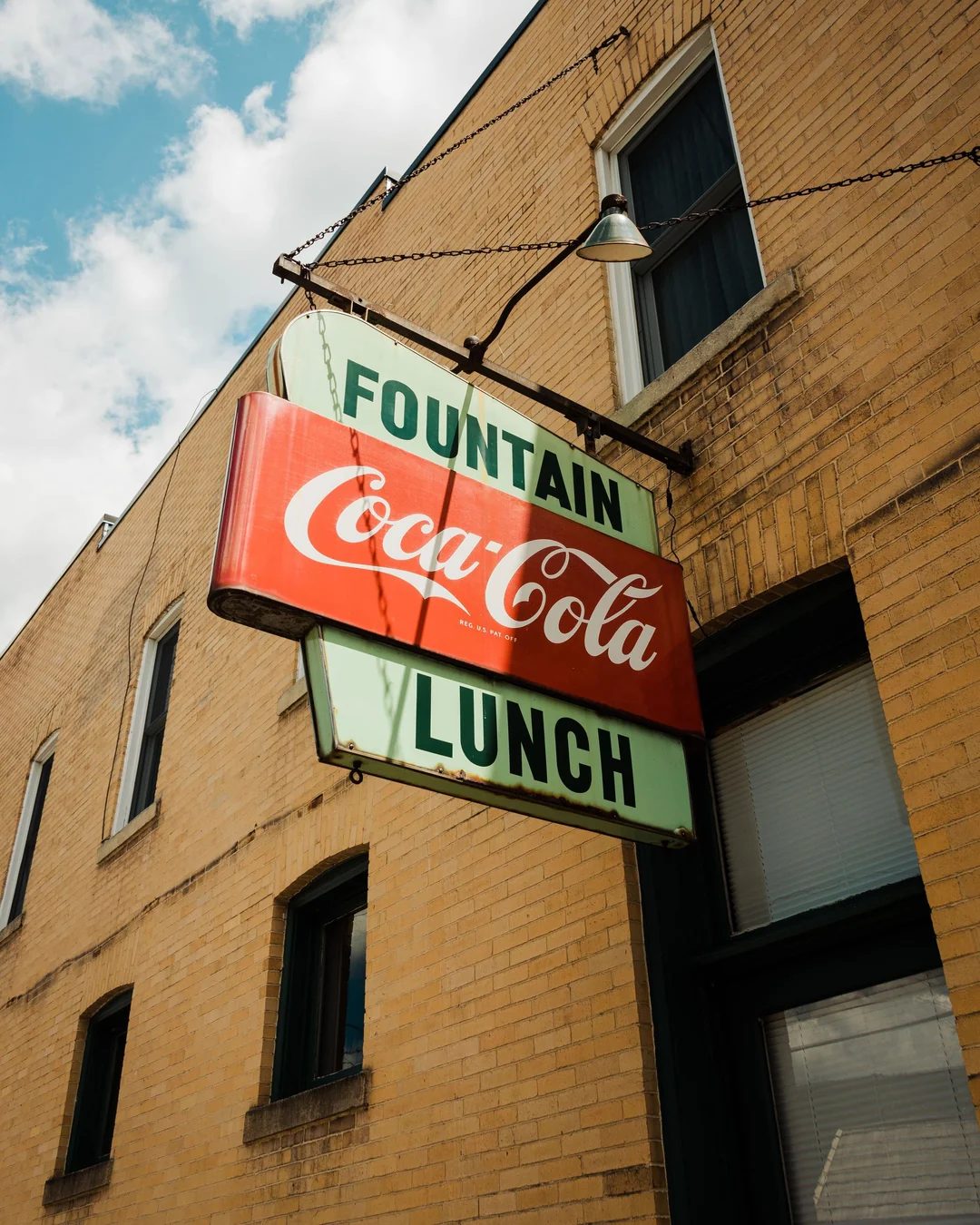
Peduzzi Building
A yellow-brick corner soda fountain and lunch counter with Romanesque detailing, associated with Italian stonemason-turned-confectioner T.C. Peduzzi. The adjoining bay bears a 1914 Chas. H. Willer cornerstone, and the precise construction and ownership relationship remains under research. Read the complete Peduzzi’s history.
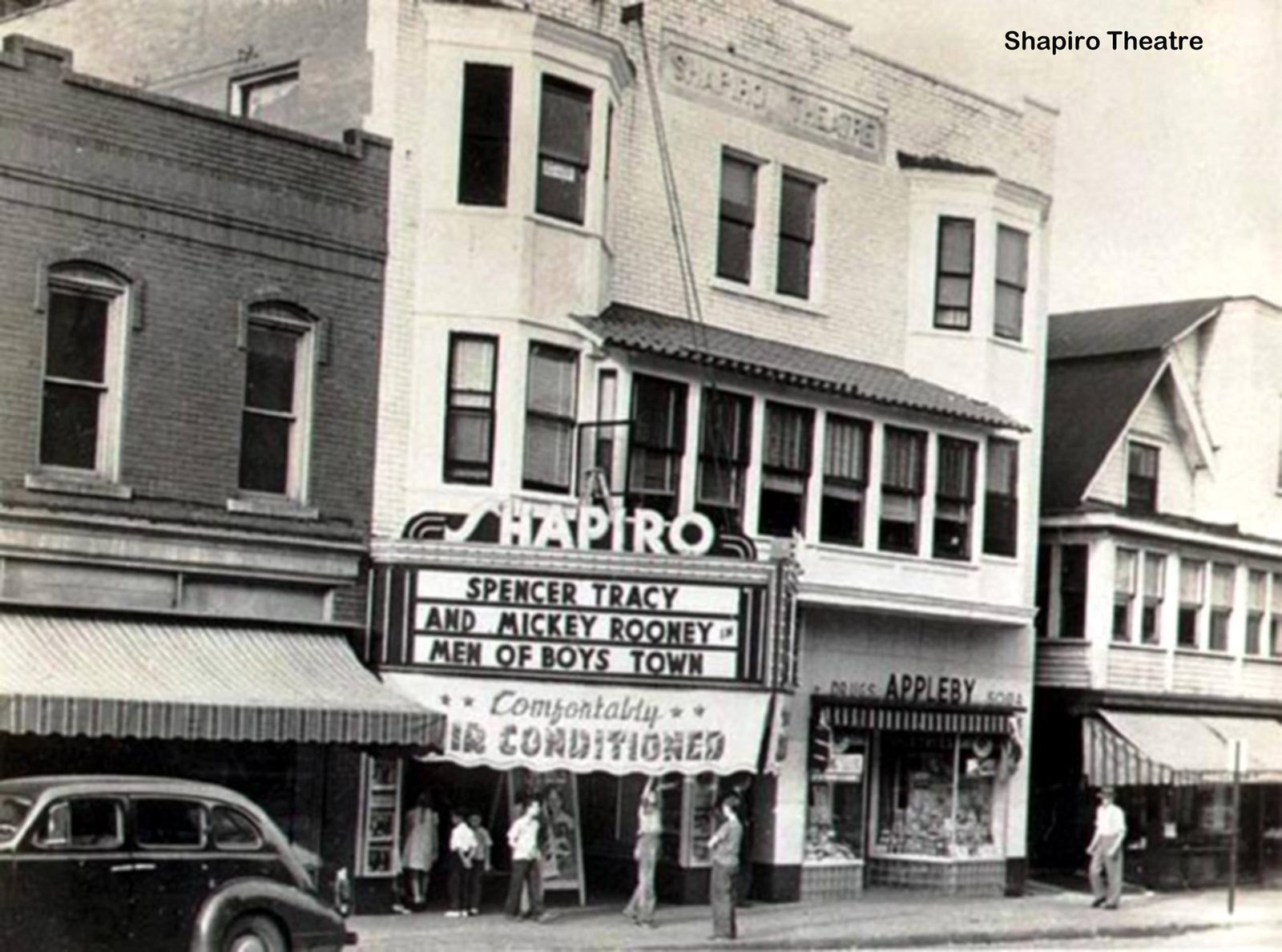
Shapiro Theater
A three-story brick, 1,000-seat theater on Shirley Street with an Art Moderne marquee — closed in 1970.
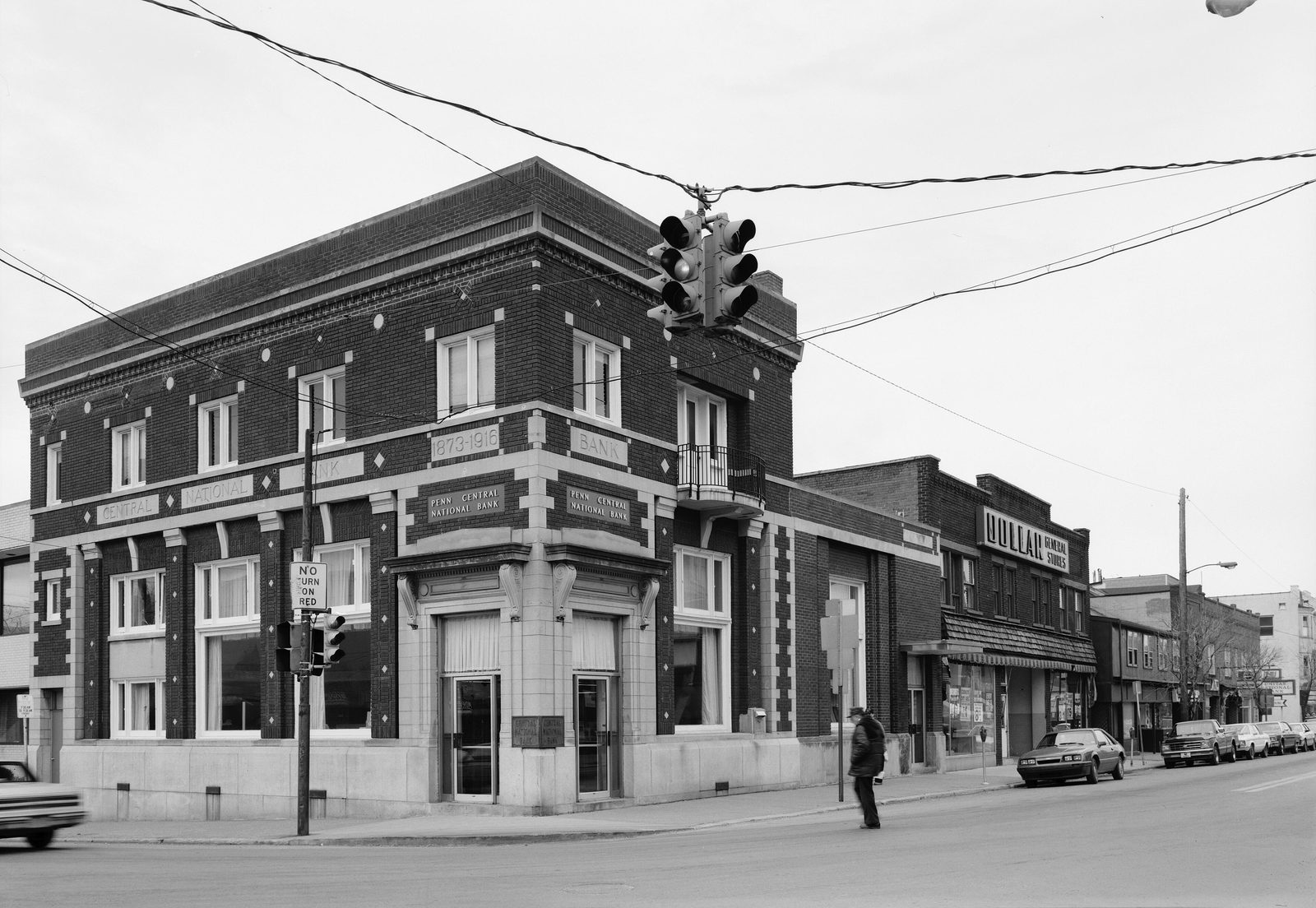
Penn Central National Bank
An Italian Renaissance Revival building — the third home of the bank founded in 1873 as the Central Banking Company (see Bricktown USA).
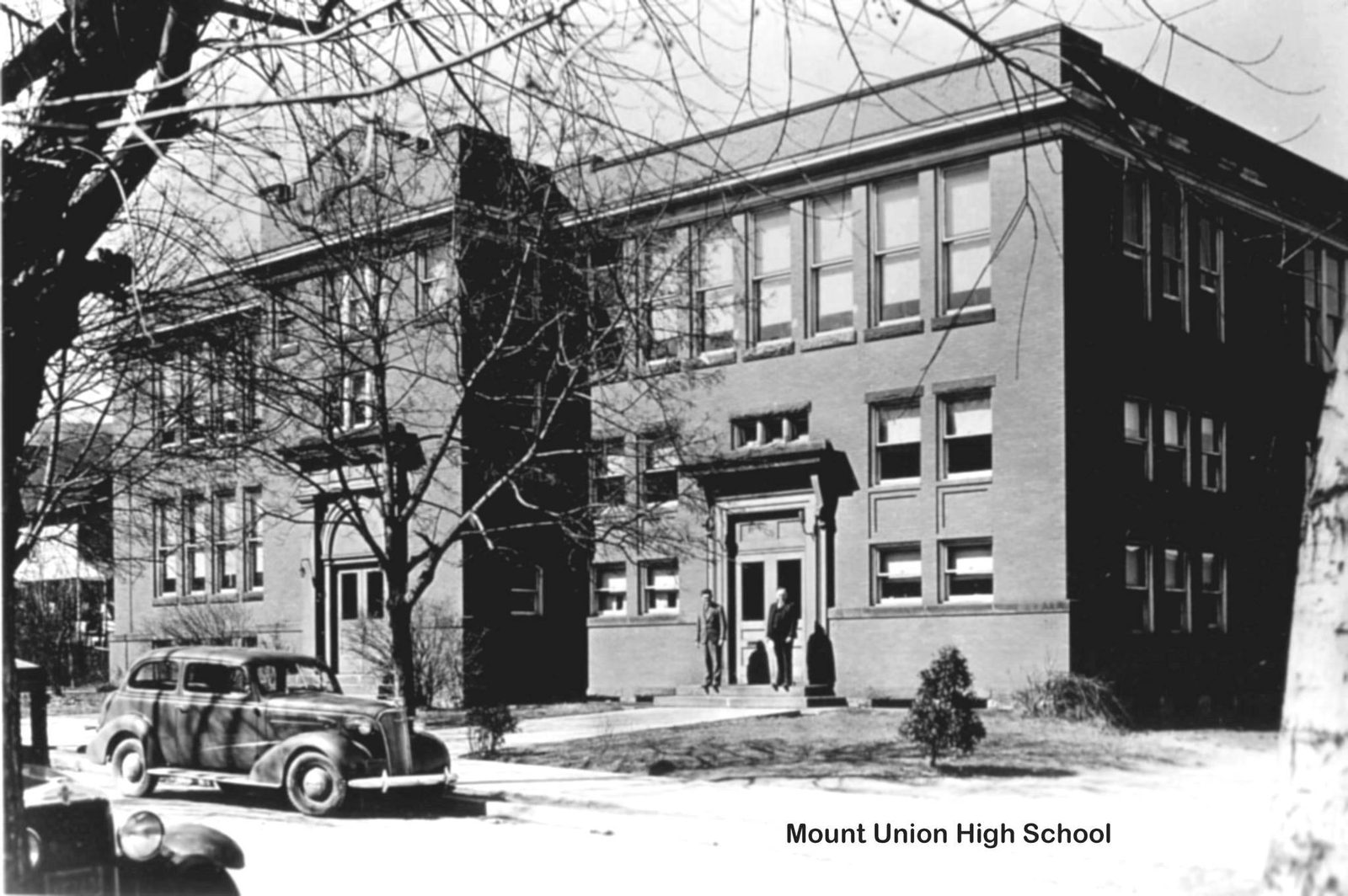
Mount Union Elementary School
A three-story brick school with Jacobean Gothic detailing, at the northwest corner of Division and Market Streets.
First United Methodist Church
An English Gothic building at 15-17 W. Shirley — the third Methodist church on this site (see Businesses for the congregation's earlier 1838-1873 history).
Post Office
A yellow-brick classical design by Philadelphia architect Louis Simon — home to Paul Rohland's Union of Mountains mural. See History.
Shapiro House, 59 E. Shirley St.
An Art Moderne design by H.C. Hodgens and A.D. Hill of Pittsburgh — “the only house of its type in Huntingdon County,” per the nomination.
PRR Freight Station
A two-story gable-front frame structure at Pennsylvania Ave. and Washington St., converted to a senior citizens' center in 1993.
Remembered Landmarks That Did Not Survive
A 1933 reminiscence by Lola Eberman Fields preserves smaller places that formal architectural surveys often omit: the wooden canal bridge at the west end of Water Street, a one-room town jail, the dependable public pump beside the later Appleby building, and an aqueduct, pool and shaded spring near the river and railroad corridor. Their precise modern locations have not been established, so they are recorded as attributed community memory rather than mapped properties.
Builders Who Shaped the Town
Allen S. Welch & Elmer D. Welch
Allen S. Welch (b. 1855) is credited with building at least 50 Mount Union homes, plus a lumber yard (1890), hardware store (1891), and planing mill (1909); he's also the man who laid out and named Allenport (see History) and was the father of Charles Howard Welch, author of this project's central 1909-1910 history. Elmer D. Welch (b. 1868) was a contractor credited with over 200 buildings between 1904 and 1910.
C.B. Crum & T.C. Peduzzi
C.B. Crum (b. 1860) was a successful merchant and concrete-block manufacturer whose own Queen Anne house (c. 1903) still stands at 33 W. Garber St. T.C. Peduzzi (b. 1867), an Italian stonemason turned confectioner, built the corner soda fountain that bears his name.
A Few of These Buildings, Photographed
Two Davis-Connected Properties Across the River
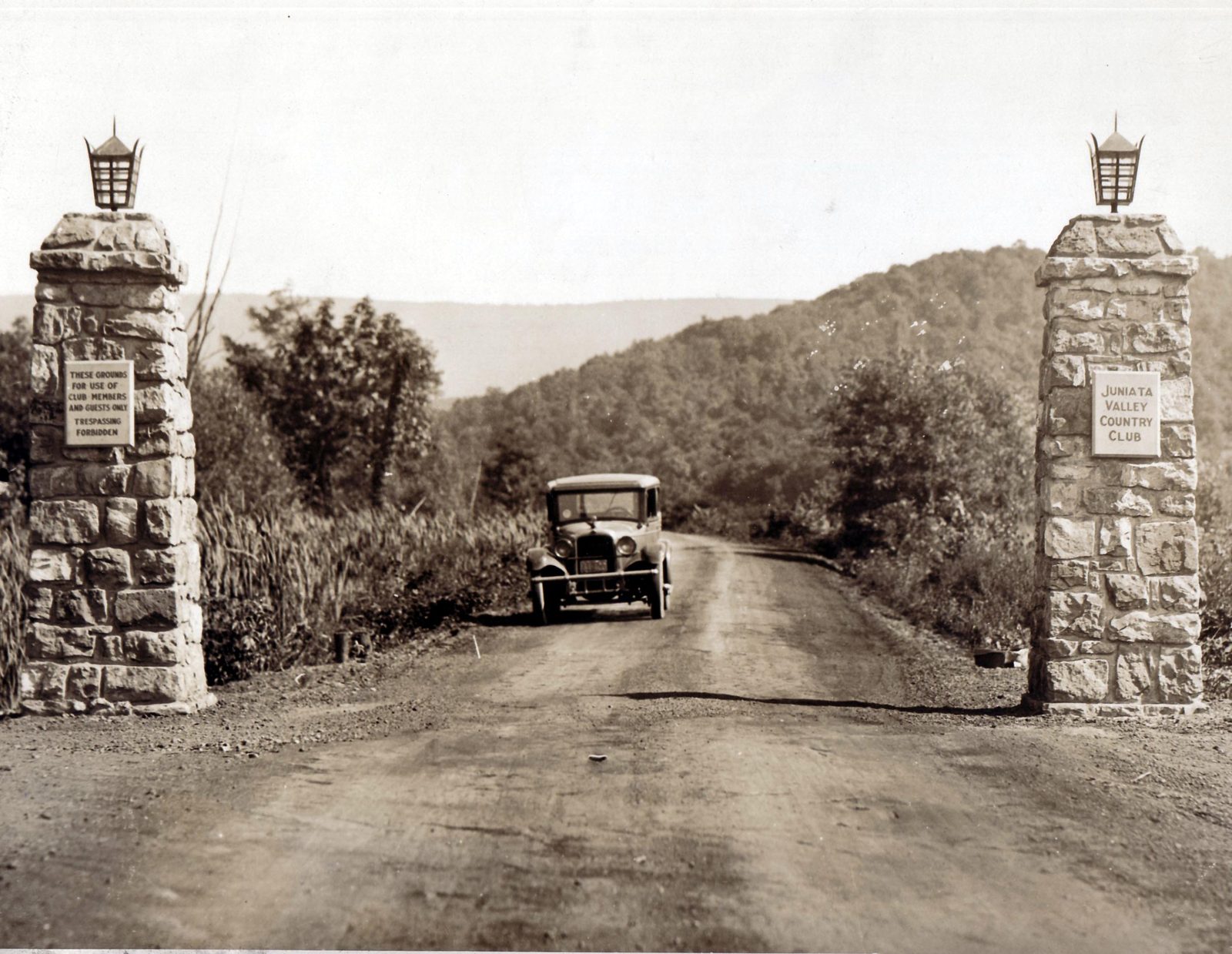
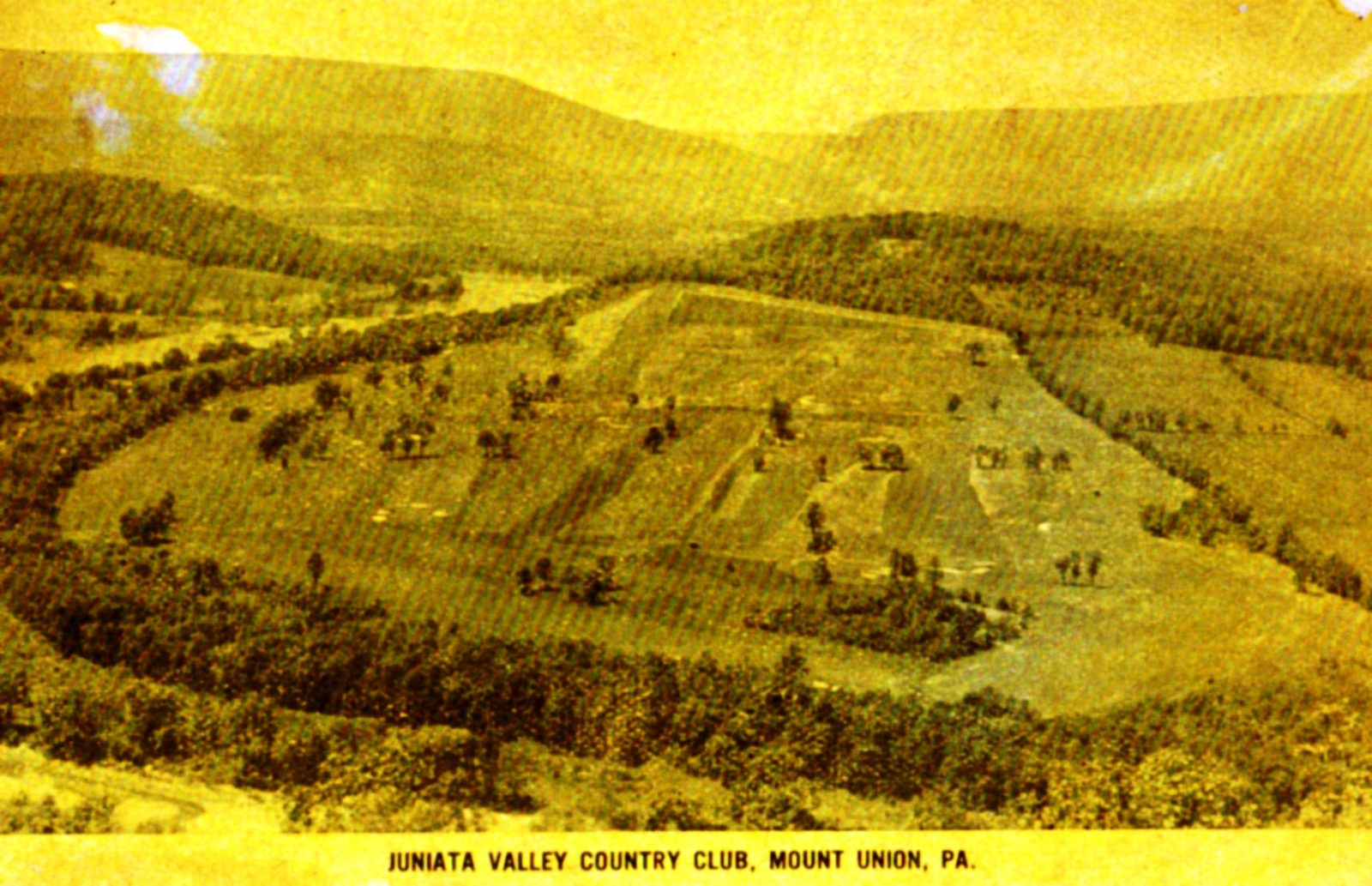
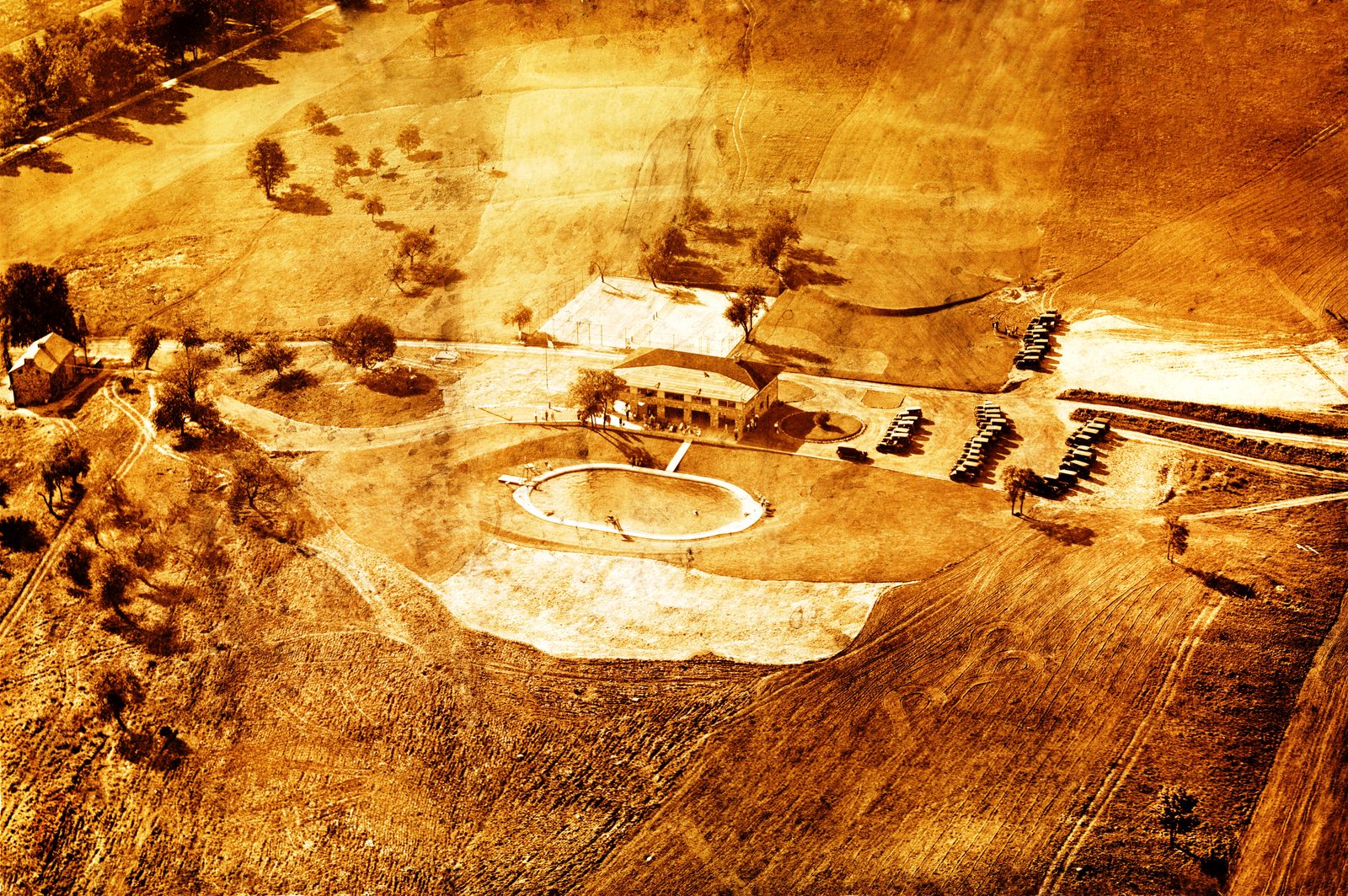
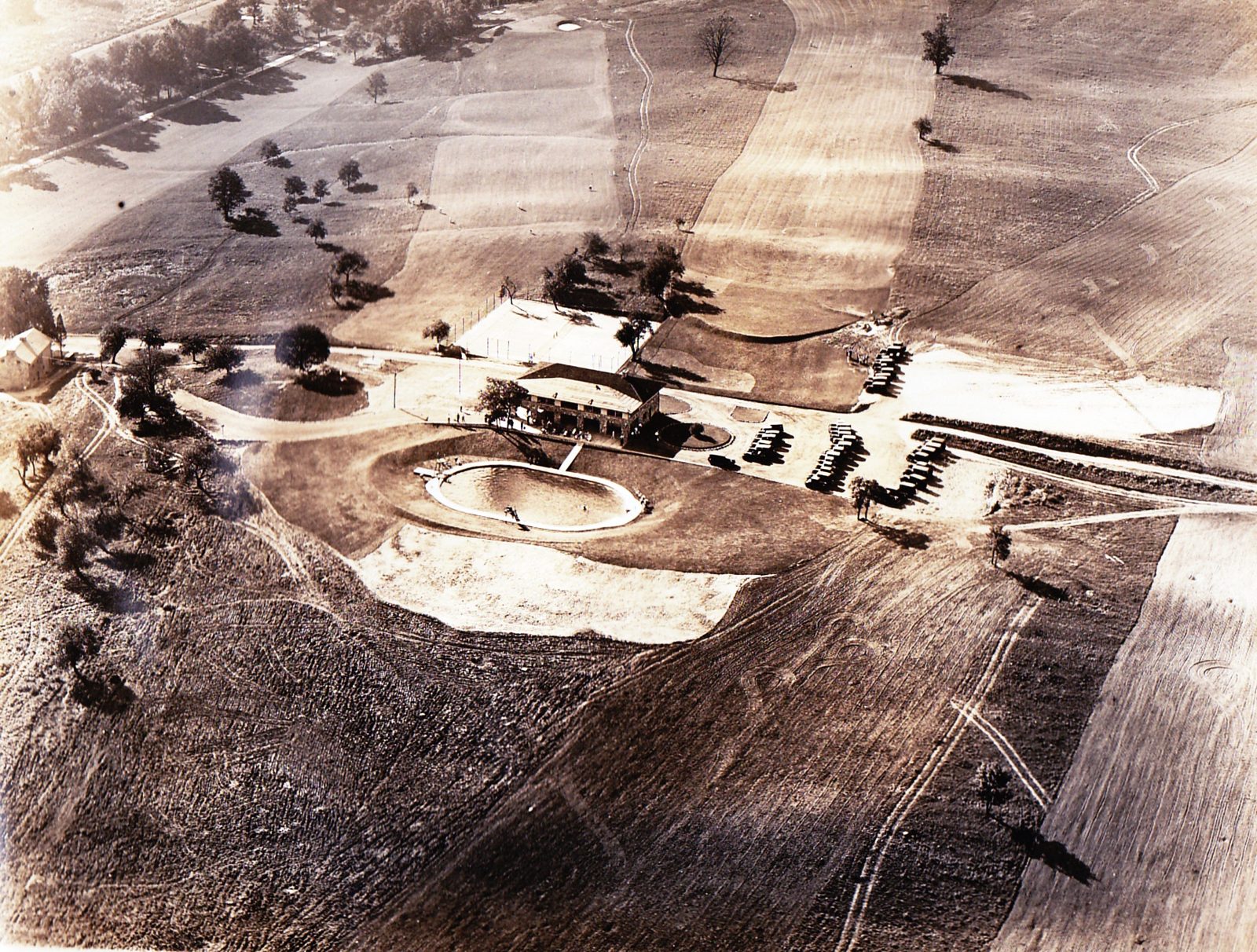
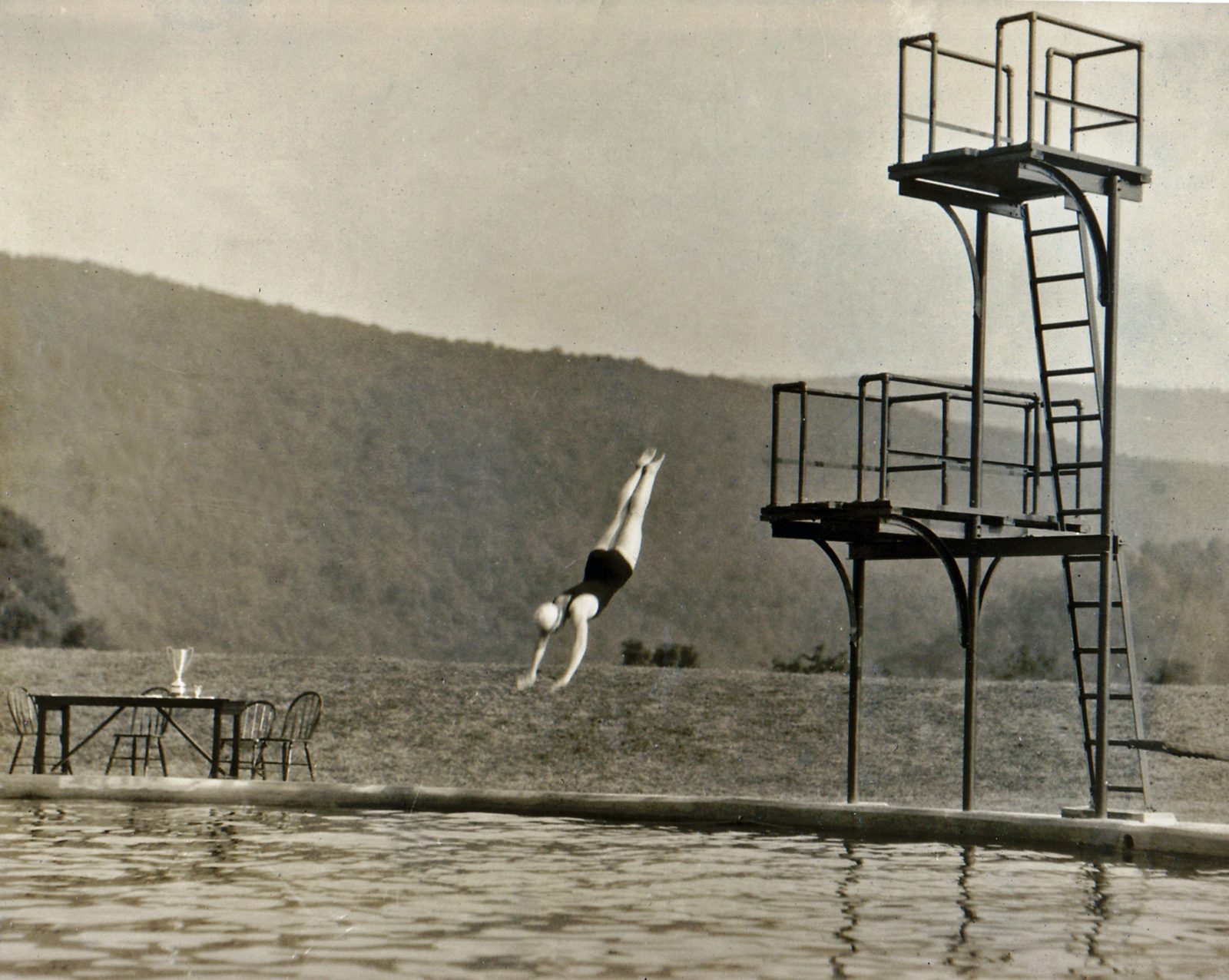
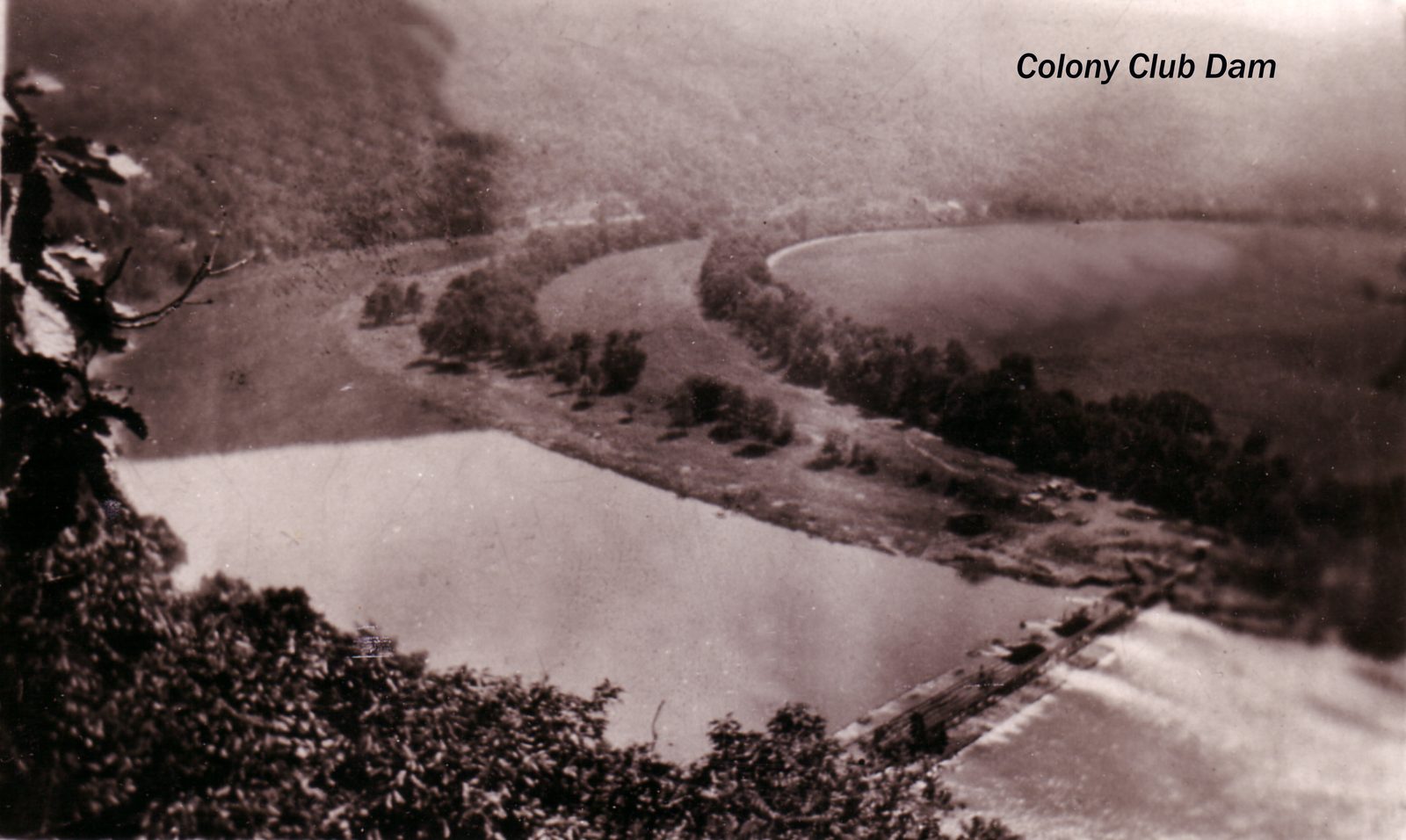
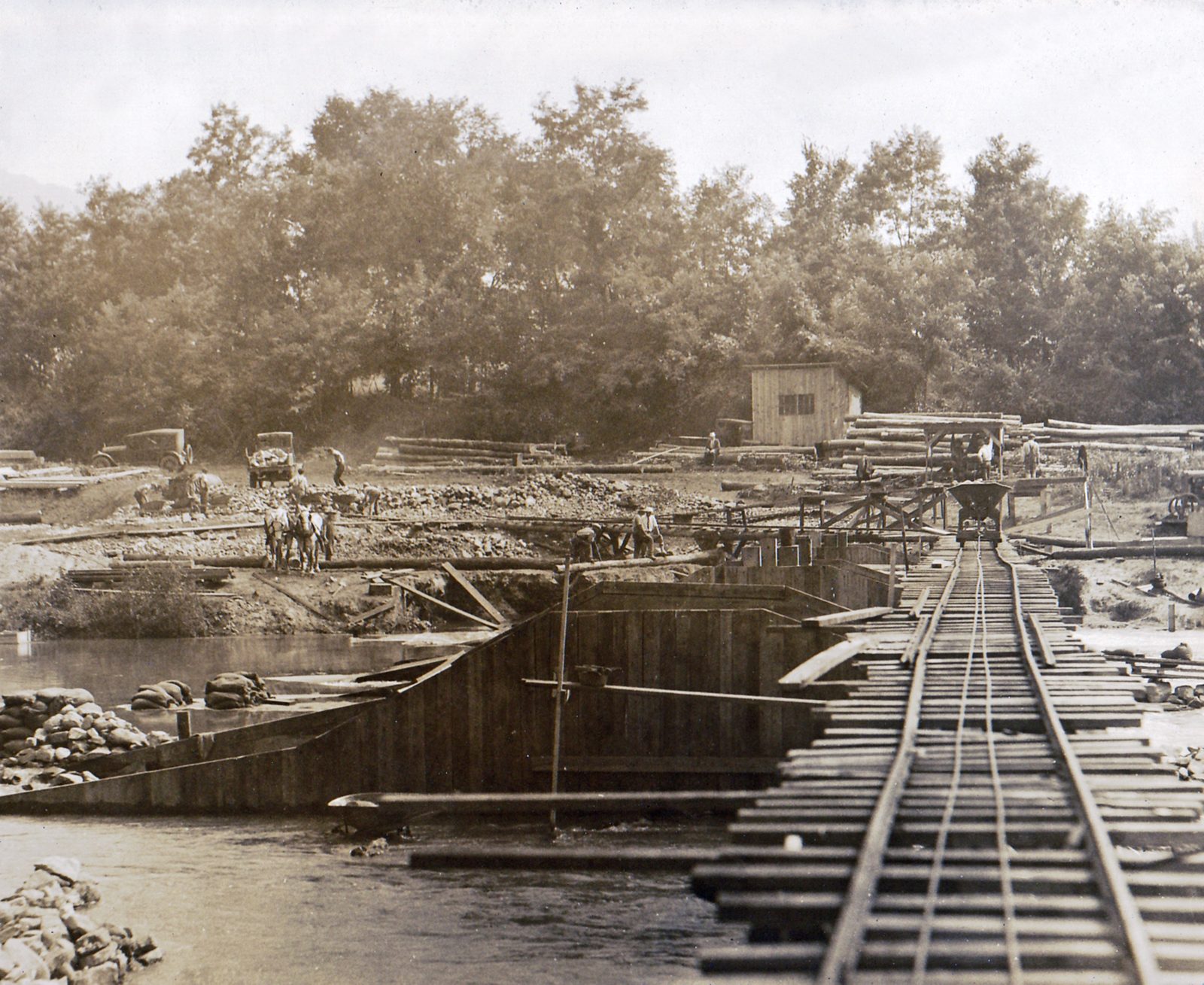
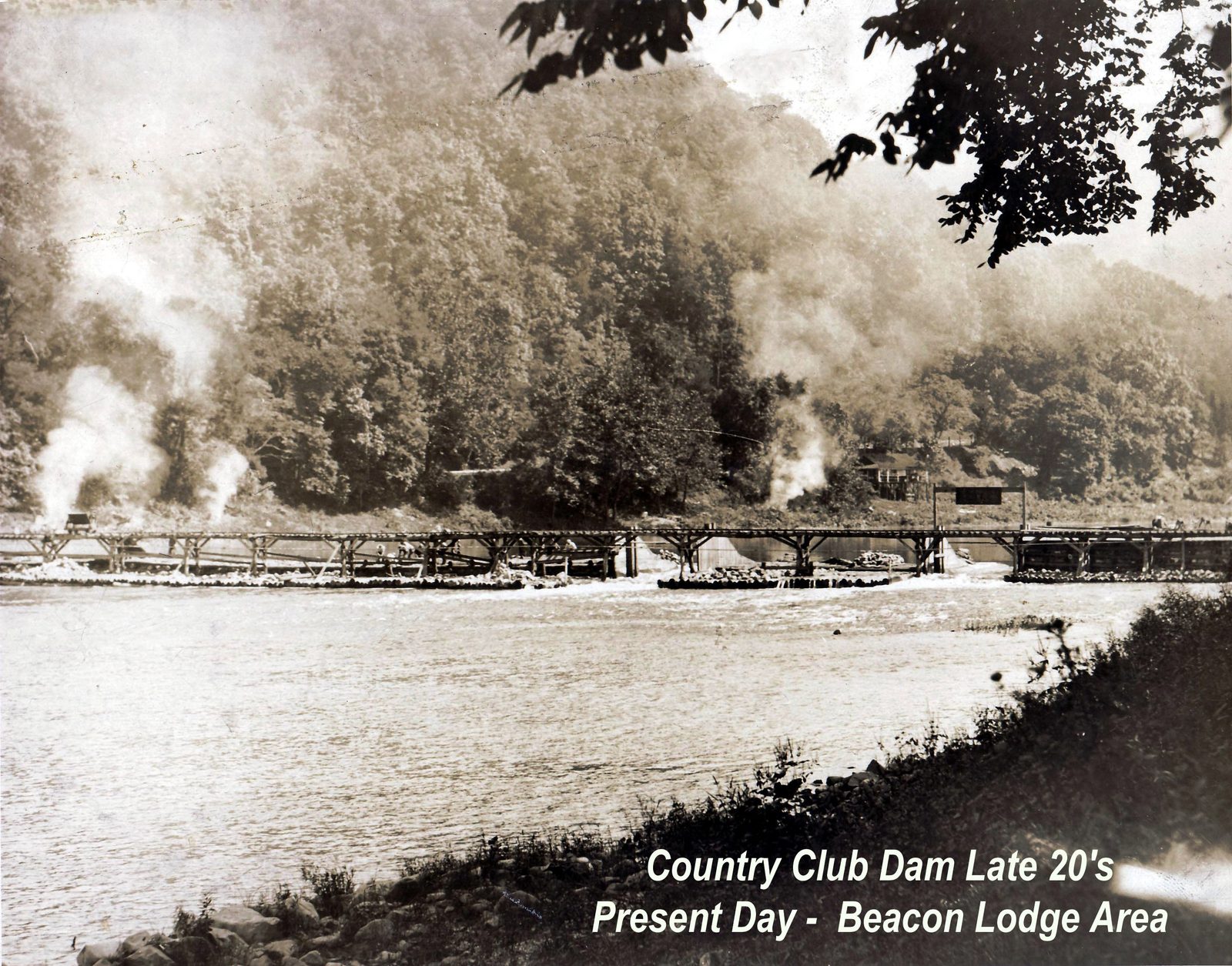
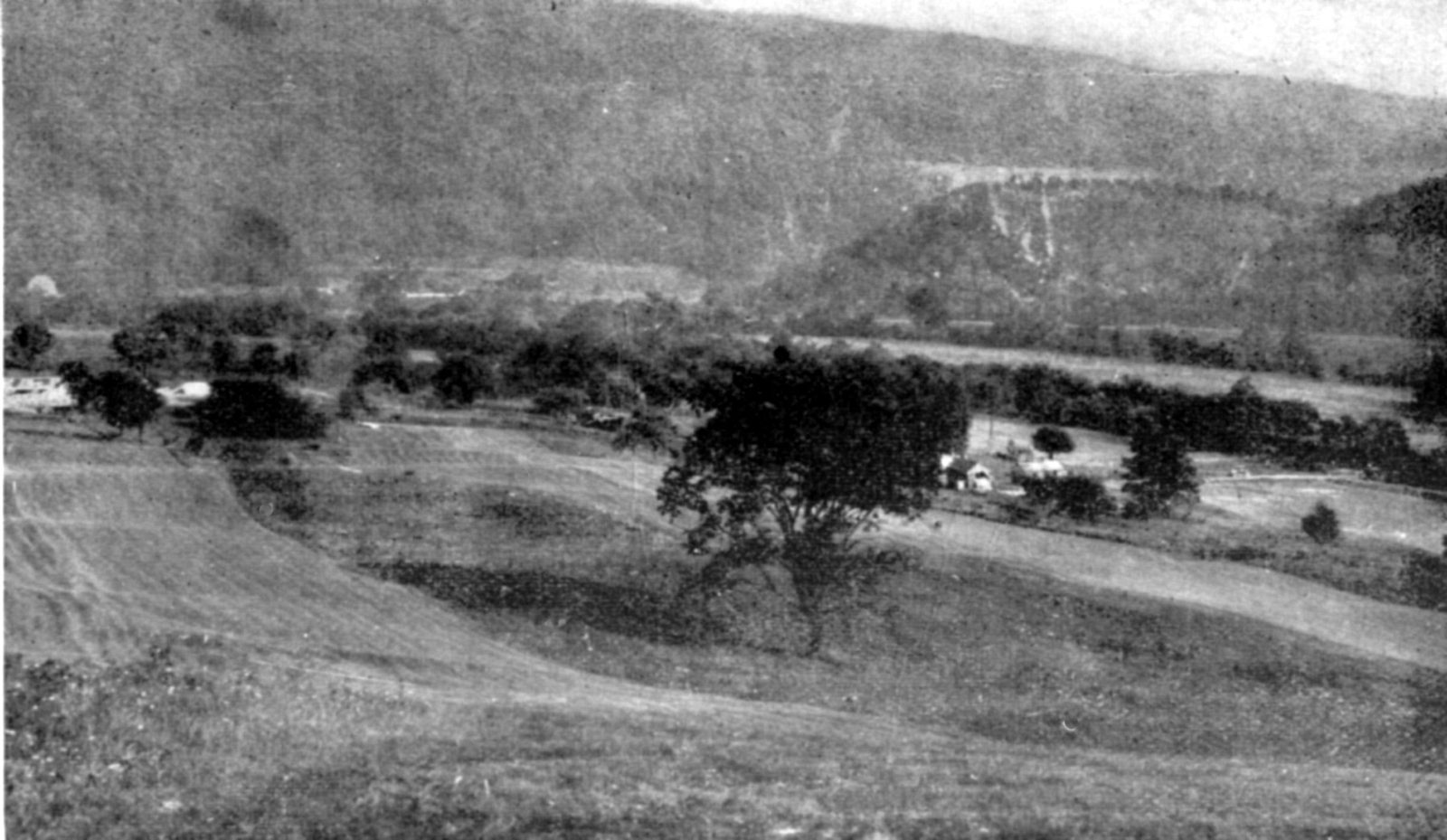
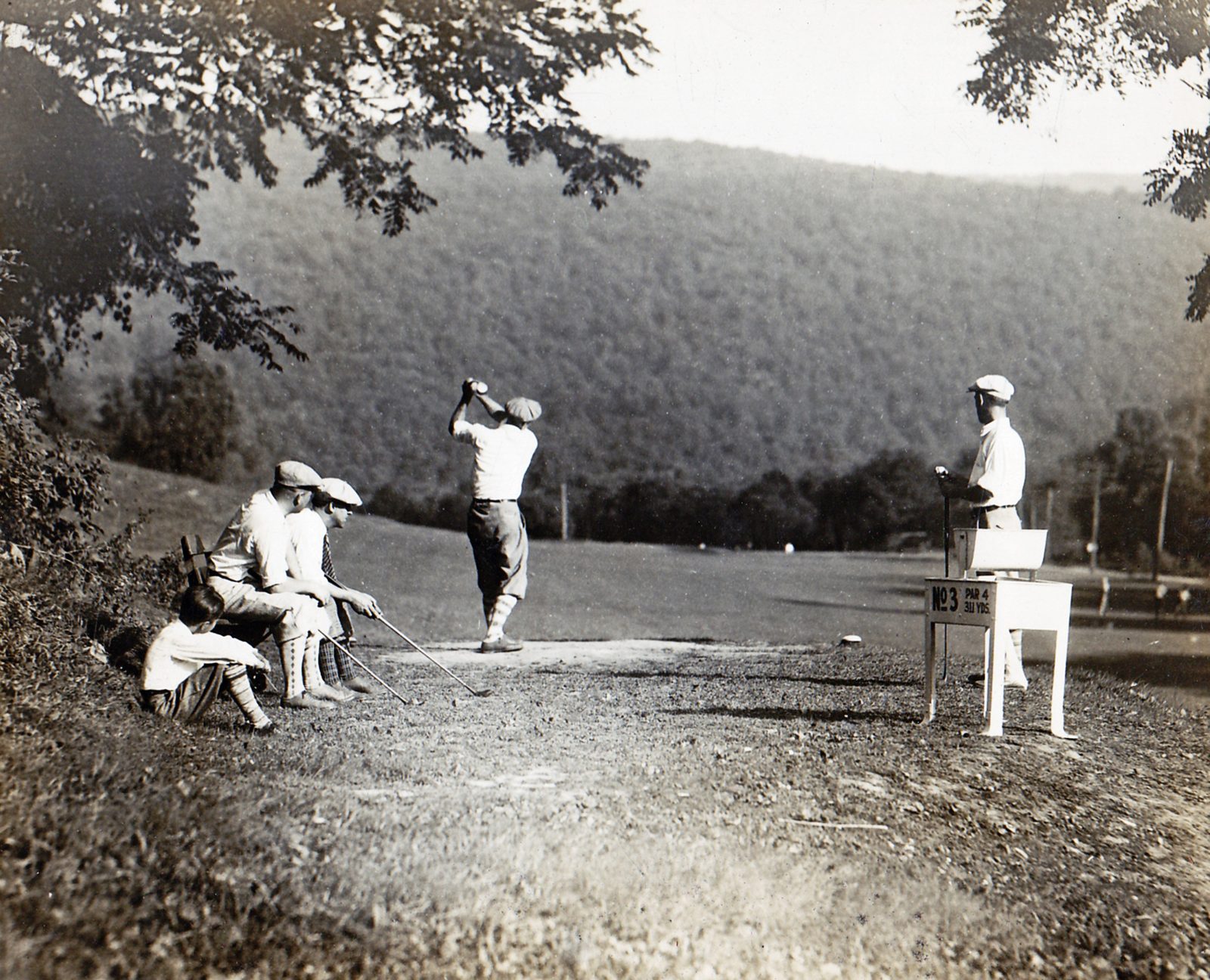
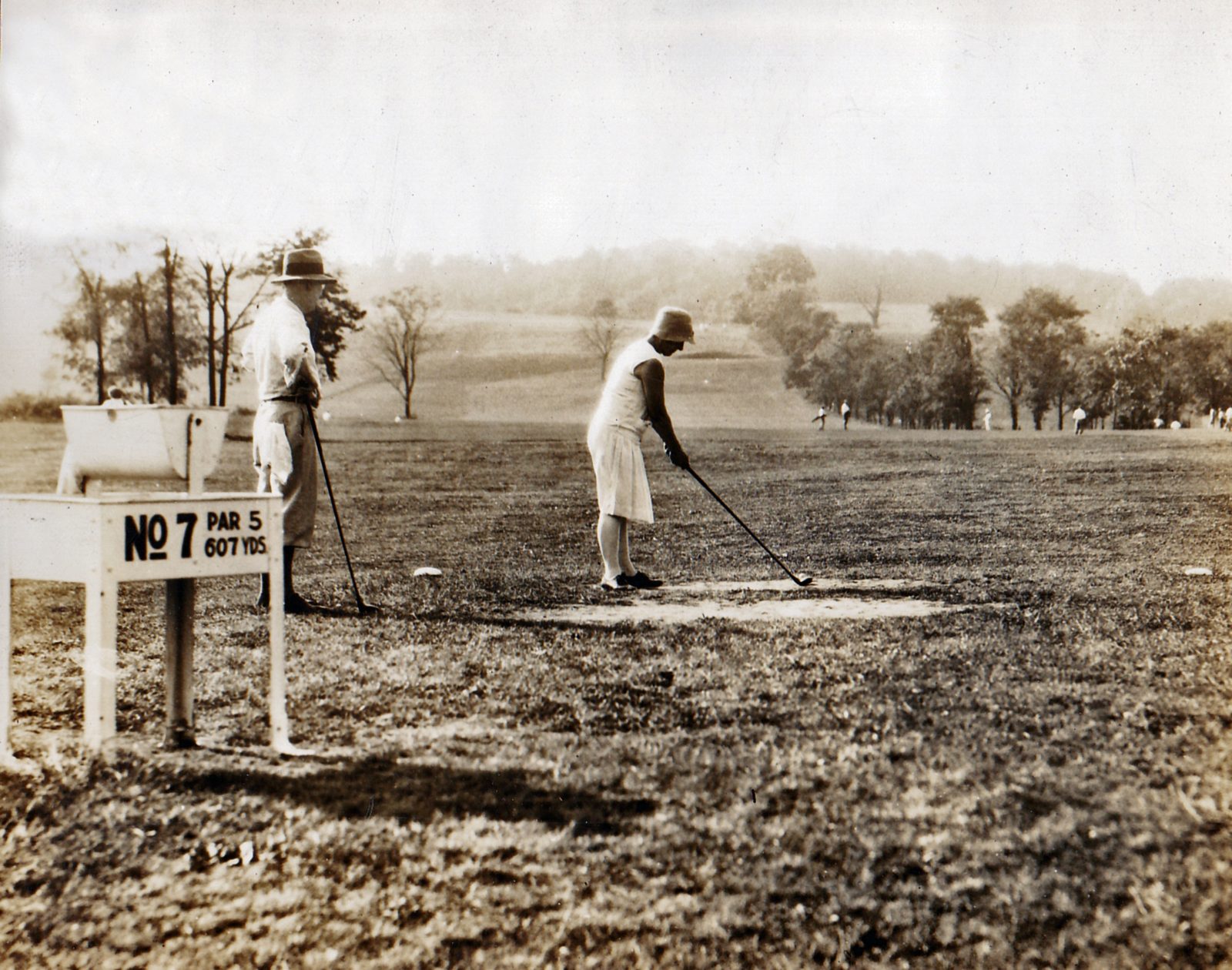
R.P.M. Davis owned the home and estate at the present Beacon Lodge site, historically called Blue Springs. A 1969 Altoona Mirror history of Beacon Lodge confirms that name. Across the Juniata River stood the separate Juniata Valley Colony Club, the ambitious golf, swimming, tennis, and summer-colony development Davis helped launch in the 1920s. A bridge connected Blue Springs with the club property, allowing access between the estate and its recreational grounds.
Names and Locations Clarified
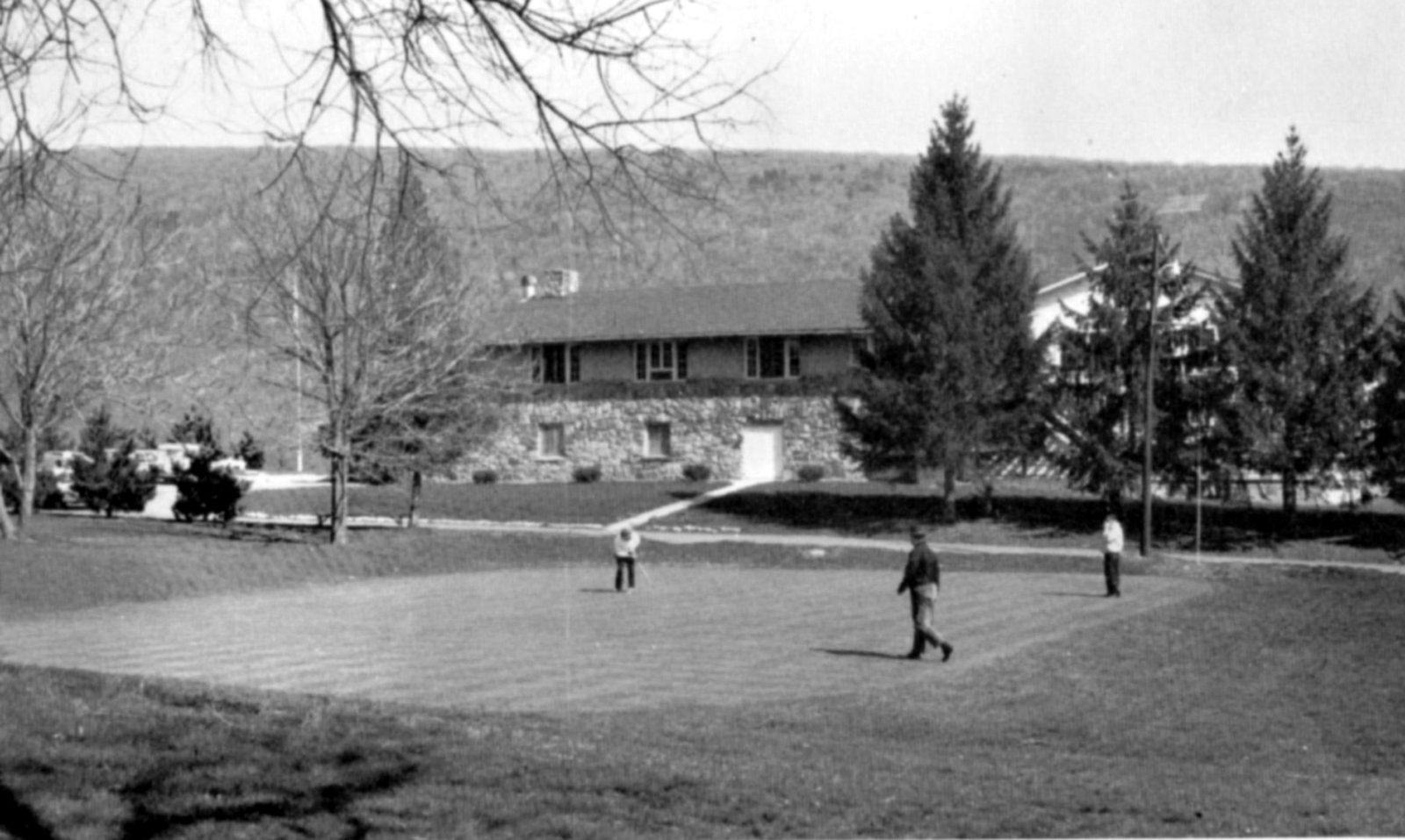
The club’s formal name was the Juniata Valley Colony Club, while “Juniata Valley Country Club” also appears on its entrance gate and period postcard. These names refer to the club development, not to the Davis home across the river. The 1936 St. Patrick’s Day Flood damaged the club, its dam, cottages, and golf course and also washed away the bridge that had connected the Blue Springs side with the club grounds. The American Legion purchased the club property at a trustee sale in April 1938; Blue Springs followed a separate path and was purchased and renamed Beacon Lodge in 1948.
Cross-Reference: Elinor Wible
Decorated amateur golfer Elinor Wible played out of the American Legion Country Club on the nearby former Colony Club property — see Golf, Track & More and Notable People.
Growth, Diversity & Hardship
The refractory boom reshaped who lived in Mount Union, not just what the town looked like.
Sources
- Frederick L. Richards, “Mount Union Historic District” (National Register of Historic Places nomination, 1994), National Park Service, Washington, D.C.
- American Legion Country Club, R.P.M. Davis.
- American Legion Country Club, History.
- Altoona Mirror, “Lions’ Efforts Provide Camp for Blind Persons of Pennsylvania,” August 16, 1969, p. 22.
- Locally provided Blue Springs property history and submitted family photographs; used for details not covered by the published club and camp histories.
- Mrs. W. O. Fields (Lola Eberman Fields), “Reminiscence of Mount Union,” The Daily News, September 21, 1933, p. 5.
- “Col. William Pollock, Mount Union’s First Postmaster, Received His Commission April 9, 1833,” Mount Union Times, April 28, 1933, p. 1.